
Type “cholesterol” into any search engine and you’ll surely find a myriad of titles discussing the links between cholesterol and heart disease. We often associate one with another (for fair reason), but what exactly is cholesterol? And is it all bad?
What is cholesterol?
Cholesterol is a type of fat found naturally in the body. We produce cholesterol on our own in addition to taking it in through our diet.
Now, cholesterol isn’t inherently “bad”. In fact, cholesterol serves a diverse number of important functions and is vital for our health. In addition to being an important part of our cell membranes, cholesterol is involved in producing certain hormones (incl. sex hormones!), synthesizing active vitamin D, and creating bile acids (which are important for digesting dietary fats)(1). So, as you can imagine, if we didn’t produce (or take in) any cholesterol, there would be some pretty major health effects. Thankfully though, cholesterol deficiency isn’t common. On the flip side, life is all about balance, and having excess blood cholesterol is also a health concern particularly as it increases risk of cardiovascular disease and stroke (2).
How is it carried around the body?
Well, cholesterol and other types of fat have to be transported in your blood to and from different tissues in your body. However, since cholesterol is a fat, it can’t travel all by itself in the bloodstream (think of oil trying to mix with water). So, cholesterol uses special proteins (called lipoproteins) to carry it where it needs to go. There are two main lipoproteins (along with a few others – but for the purpose of this article we will focus only on two), each with different structures and functions.
- HDL (high- density lipoprotein): transports cholesterol from other parts of your body back to your liver, where it can be excreted. HDL is sometimes referred to as “good” cholesterol because it removes cholesterol from artery walls where it may be deposited (3).
- LDL (low density lipoprotein): carries cholesterol from the liver to other tissues in your body where it might be needed (i.e. for cell membrane building or for making more steroid hormones). It is often called “bad” cholesterol because high levels of LDL in the blood can lead to plaque buildup in major arteries.
We can measure the levels of HDL and LDL in the blood using a blood test.
Why are cholesterol levels important?
In terms of heart and vascular health, we are more concerned with having a relatively reduced LDL cholesterol and moderate HDL cholesterol. Elevated circulating LDL levels are associated with increased risk of developing atherosclerosis (plaque buildup) in our major arteries such as the carotid arteries (which give blood to the brain) or coronary arteries (which supply the heart muscle). These plaques can lead to some serious health effects such as strokes and heart attacks (4) (5)
How does diet impact blood levels?
About 20% of your circulating cholesterol comes from your diet. The rest is made largely in your liver (6)
The amount of cholesterol your body naturally makes can be inherited. In some instances this genetic component can cause certain diseases such as familial hypercholesterolemia, where there is excess cholesterol production that goes above healthy levels. That means that while a healthy diet and lifestyle certainly play a role in determining cholesterol levels, it’s not always the whole story. That being said, for most people, elevated cholesterol can be controlled with a healthy diet, exercise and, for some people, medications (called statins). In fact, there are some diets used clinically that are designed to lower cholesterol such as the Ultimate Cholesterol Lowering Diet (UCLP) (13). The UCLP is centred around consuming more heart-healthy fats (less saturated fat), oil rich fish, getting your 5-a day fruit and veg, whole grains, and lots of water (13). You can read more about it here.
What foods are good for lowering cholesterol?
Soluble Fiber
Soluble fiber is a broad category, encompassing a number of different specific compounds found in some foods. These include β-glucan, pectin, psyllium, and guar gum. Soluble fiber acts to lower cholesterol a couple of ways (7, 8):
- By Binding: The first way is by binding to cholesterol in the gut. When consumed, soluble fiber forms a kind of gel and binds to the cholesterol found in bile salts. This binding prevents cholesterol from being reabsorbed, and is instead excreted in feces.
- Lowers glycemic index: Insulin is one of the factors that stimulates your liver to produce more cholesterol. Soluble fiber on the other hand, stimulates a lower glycemic response. This means that there is a reduced insulin spike after eating, and therefore your liver isn’t given a strong signal to start producing more cholesterol.
Soluble fiber is found in a number of foods such as:
- Oats
- Whole Grains
- Nuts
- Apples, berries, and grapes
Plant sterols and stanols
Plant sterols and stanols are compounds that have a similar molecular structure to cholesterol and work to reduce the absorption of cholesterol in the gut. This in turn helps to lower total cholesterol and, in particular, LDL-cholesterol (the “bad type” of cholesterol) in the blood.
Plant stanols/sterols are naturally found in a range of plant foods such as legumes, wholegrain cereals, vegetable oils, nuts, and seeds. However, people at high risk of heart disease, especially those with high blood cholesterol levels, may benefit from eating foods that are fortified plant stanols and sterols. 1.5-3g of plant sterols/stanols is linked with a 7-12.5% reduction in LDL cholesterol (9). Eating more than the recommended 3g per day is unlikely to lower cholesterol levels further and may have a negative effect on the absorption of fat-soluble vitamins.
Note: It is unlikely that people with ‘normal’ levels of cholesterol will benefit from including plant stanols and sterols-fortified foods. As cholesterol is essential for normal growth these products are not recommended for children or women who are pregnant or breastfeeding unless on the advice of a doctor or dietitian. They are also not usually recommended when taking eztemibe, a cholesterol lowering medicine, because they both work in a similar way, and are unlikely to have any extra effect.
Unsaturated Fats
Research suggests that swapping saturated fats (such as those found in butter) for unsaturated fats may be useful in lowering cholesterol levels. This is due to the differences in how they’re metabolized in the liver, and how they are taken up into body tissues (10, 11).There are a couple of types of unsaturated fats including:
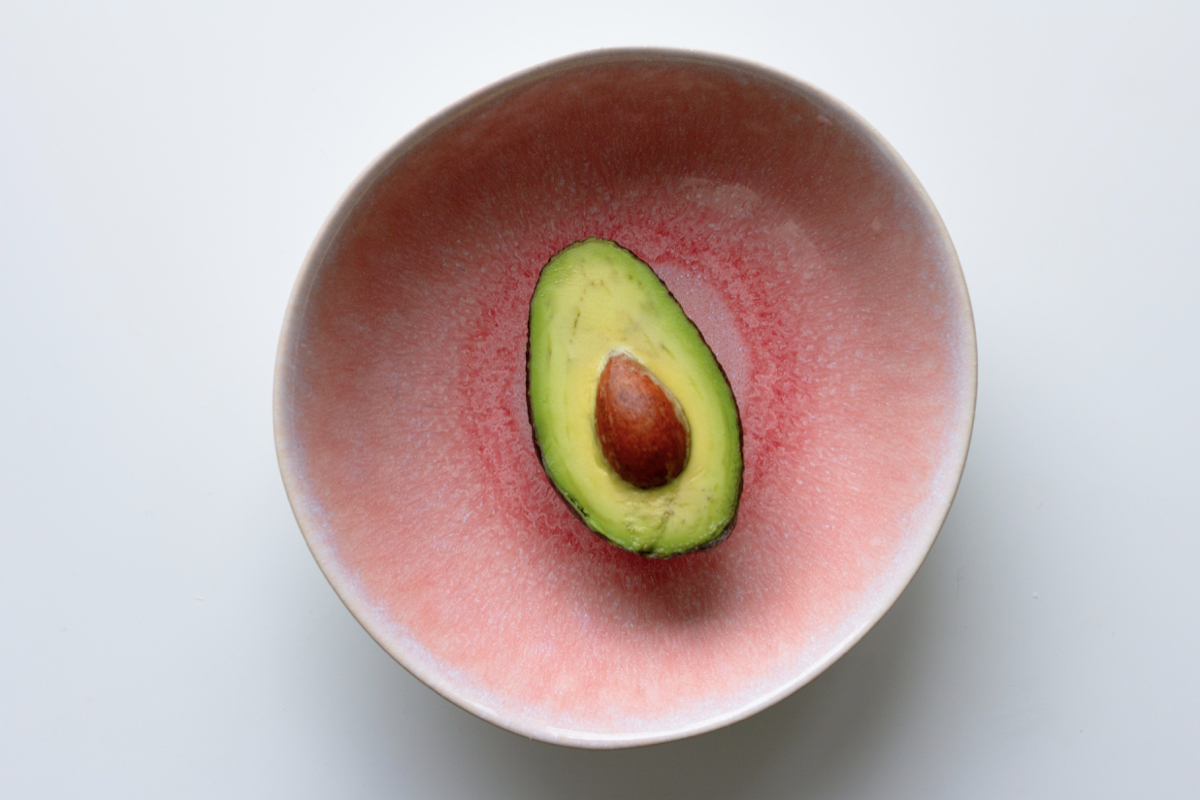
Monounsaturated Fats: help reduce LDL levels in the blood while maintaining HDL levels. These fats are commonly found in avocados, olive oil, and some nuts such as brazil nuts.
Polyunsaturated Fats: help reduce circulating LDL cholesterol levels. These types of fat can be found commonly in oily fish, chia seeds, and flaxseeds.
Soy Protein
There is some evidence to suggest that soy protein may be beneficial in reducing LDL cholesterol by increasing the number of LDL receptors in the liver (i.e so more LDL is taken up into the liver rather than floating in the bloodstream (12).
Key Points:
- We need some cholesterol in order to build cell membranes, make steroid hormones, produce active vitamin D, and make bile acids.
- Our liver produces most of our circulating cholesterol, though some is still taken in through food.
- HDL and LDL aid in determining the total amount of cholesterol circulating in our blood.
- HDL takes cholesterol from the tissues and brings it to the liver. LDL does the opposite.
- Raised LDL cholesterol is of greater concern for heart health because increased levels can lead to cholesterol deposition in arteries (leading to atherosclerosis)
- Our diets can alter LDL cholesterol levels. Soluble fiber, plant sterols/stanols, and unsaturated fats are associated with reducing LDL cholesterol through a number of different mechanisms.
Source: https://thefoodmedic.co.uk/2021/01/the-facts-behind-cholesterol/